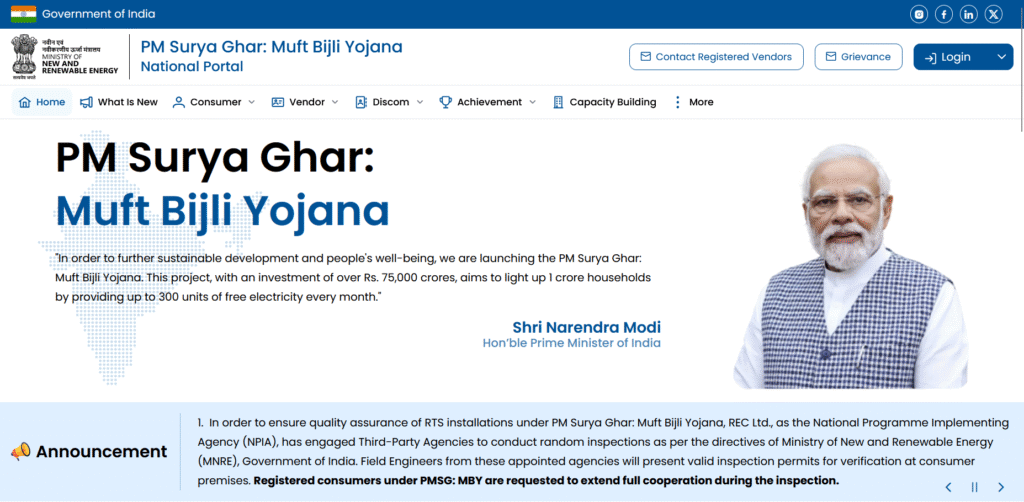
India me electricity prices lagataar badh rahe hain aur log sustainable energy ki taraf shift kar rahe hain. Isi problem ka solution hai rooftop solar system. Government ne solar adoption ko accelerate karne ke liye PM Surya Ghar Muft Bijli Yojana launch ki hai, jiske through households ko rooftop solar panels lagane par heavy subsidy milti hai. Is scheme ka main aim hai ki crores households apne ghar ki chhat par solar lagaye aur grid par dependency kam ho.
2026 tak rooftop solar ka adoption kaafi increase ho chuka hai, especially states jaise Uttar Pradesh aur Uttarakhand me. Reports ke according, Uttar Pradesh me hi 3.57 lakh se zyada rooftop solar installations ho chuke hain aur state daily 50 lakh units green electricity generate kar raha hai.
Agar aap Uttarakhand ya Uttar Pradesh me rehte ho aur apne ghar par solar system lagane ka plan kar rahe ho, to ye article aapke liye complete guide hai. Yahan hum explain karenge solar subsidy kitni milti hai, kaise apply karna hai, cost kitni hoti hai, aur kitna electricity bill save hota hai. Hinglish me simple language me aapko poori information milegi taaki aap easily decision le sako.
Solar Subsidy 2026 kya hai?
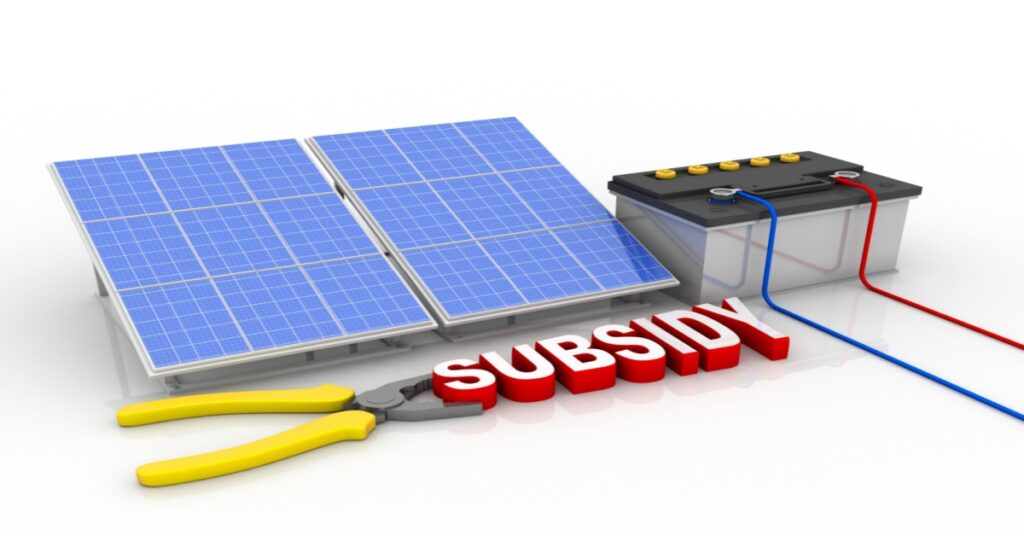
Solar subsidy basically government ka financial support hai jisse log apne ghar par rooftop solar panels install kar sake. India me currently main scheme hai PM Surya Ghar Muft Bijli Yojana, jo residential homes ko solar lagane par subsidy provide karti hai. Is scheme ka goal hai ki households ko clean energy mile aur electricity bills drastically kam ho jaye.
Is scheme ke under government solar installation cost ka ek significant portion cover karti hai. Is subsidy ko Direct Benefit Transfer (DBT) ke through directly beneficiary ke bank account me transfer kiya jata hai. Scheme ka aim hai ki households ko 300 units tak free electricity per month mil sake solar generation ke through.
PM Surya Ghar Muft Bijli Yojana Overview
PM Surya Ghar Muft Bijli Yojana 2024 me launch hui thi aur 2026 tak ye India ki biggest rooftop solar scheme ban chuki hai. Scheme ka objective hai 1 crore households ko rooftop solar systems provide karna. Is initiative ke through households apni electricity generate kar sakte hain aur long-term electricity bills se relief milta hai.
Government subsidy system capacity ke according calculate hoti hai. Normally subsidy first few kilowatts par zyada hoti hai taaki small households bhi easily solar adopt kar sake. Reports ke according solar subsidy ₹30,000 se ₹78,000 tak ho sakti hai depending on system size.
Scheme ka sabse important feature transparency hai. Entire process online portal par hota hai jisme consumer registration, vendor selection aur subsidy tracking included hota hai. Isse corruption aur delays kam hote hain.
Uttar Pradesh aur Uttarakhand jaise states me scheme ka impact kaafi strong hai kyunki yahan electricity demand bhi high hai aur solar potential bhi kaafi achha hai. Rural areas me bhi solar adoption fast grow kar raha hai.
2026 me Solar Subsidy Kitni Milti Hai?
Solar subsidy ka amount solar system capacity par depend karta hai. Government subsidy mainly 1kW se 3kW rooftop systems par focus karti hai kyunki ye typical household electricity needs cover kar dete hain.
2026 me subsidy structure roughly is tarah ka hai:
| Solar System Capacity | Subsidy Amount |
|---|---|
| 1 kW | ₹30,000 |
| 2 kW | ₹60,000 |
| 3 kW or above | ₹78,000 ( In Uttarakhand 85,800) |
In UttarPradesh ₹30,000 Additional State Subsidy
Ye subsidy central government financial assistance ke form me milti hai aur residential rooftop systems par apply hoti hai.
Solar subsidy ka main aim upfront cost ko reduce karna hai kyunki solar installation ka biggest challenge initial investment hota hai. Jab government ₹60,000 ya ₹78,000 tak subsidy deti hai to solar system ka real cost kaafi kam ho jata hai.
Iske alawa kuch states additional incentives bhi provide karte hain jaise easy loans ya local subsidies. Uttar Pradesh me state government ne bhi solar adoption ko accelerate karne ke liye financial support provide kiya hai.
Solar Panel Lagane ka Total Cost (2026)
Solar system ki cost multiple factors par depend karti hai jaise system capacity, panel quality, inverter type aur installation complexity. Normally residential rooftop solar system ka cost ₹60,000 – ₹80,000 per kW ke range me hota hai India me.
Example ke liye agar koi household 3kW solar system install karta hai, to installation cost roughly ₹2 lakh ke around ho sakti hai before subsidy. Lekin government subsidy apply hone ke baad real cost significantly reduce ho jata hai.
Solar panels ki lifetime usually 25 years hoti hai. Matlab once installed, system decades tak electricity generate karta rahega. Maintenance cost bhi extremely low hoti hai.
Isliye experts solar ko best long-term investment for homeowners consider karte hain. Electricity bills ka pressure kam hone ke saath environment par bhi positive impact padta hai.
Solar Subsidy Eligibility Rules
Solar subsidy lene ke liye kuch basic eligibility conditions hoti hain. Government ne scheme ko simple rakha hai taaki maximum households benefit le sake.
Sabse important condition ye hai ki solar system residential rooftop property par install hona chahiye. Commercial aur industrial buildings ke liye alag schemes hoti hain.
Dusri condition ye hai ki solar system installation government approved vendor ke through hona chahiye. Ye vendors DISCOMs aur national portal par registered hote hain.
Applicant ke paas valid electricity connection hona bhi mandatory hai. Net metering enable hone ke baad solar system grid se connect ho jata hai aur electricity exchange possible ho jata hai.
Ye rules ensure karte hain ki solar installations safe aur standardized ho.
Solar Subsidy Apply Karne ka Online Process
Solar subsidy apply karna ab kaafi simple ho chuka hai kyunki entire process online portal par available hai. Government ne dedicated PM Surya Ghar portal launch kiya hai jahan consumer registration se lekar subsidy tracking tak sab kuch digital hai.
Application process me basic documents required hote hain jaise Aadhaar card, electricity bill aur bank account details. Portal par registration ke baad consumer approved vendors list dekh sakta hai aur apne area ke installer select kar sakta hai.
Installation complete hone ke baad DISCOM inspection karta hai aur net metering activate hoti hai. Uske baad subsidy amount directly beneficiary ke bank account me transfer kar diya jata hai.