Why Solar Myths Still Exist
Solar energy has been around for decades, yet it still feels like a “new” concept to many people. Why? Because misinformation spreads faster than facts. A lot of these myths were born years ago when solar technology was expensive, inefficient, and not widely adopted. But guess what? Technology has evolved massively since then. Holding onto outdated beliefs about solar energy today is like thinking mobile phones still have antennas sticking out.
People often rely on word-of-mouth, half-baked internet articles, or assumptions rather than actual data. This creates confusion and hesitation. And let’s be honest—switching to solar is a big decision, so even a small doubt can stop someone from making the move. That’s exactly why it’s important to separate facts from fiction. Once you understand the truth, solar energy becomes not just an option—but a smart investment.
Myth 1: Solar Panels Don’t Work in Cloudy Weather
How Solar Panels Actually Generate Power
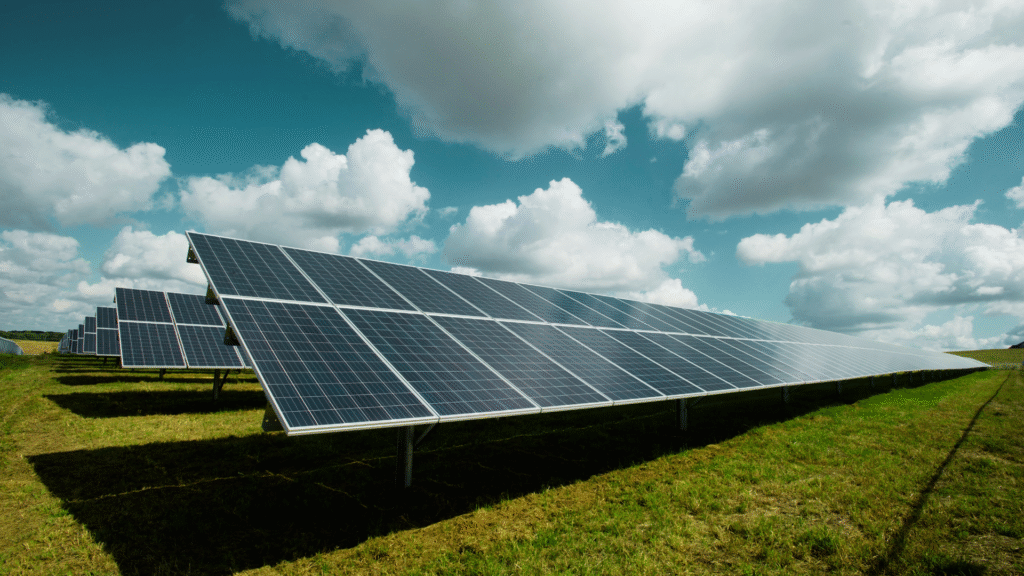
This is probably the most common myth—and honestly, it sounds logical at first. No sun = no power, right? Not exactly. Solar panels don’t need direct sunlight; they need daylight. Even on cloudy days, sunlight still reaches the panels, just at a lower intensity.
Think of it like charging your phone in dim light versus bright light. It still charges—just a bit slower. Countries like Germany, which don’t get as much sunshine as India, are actually global leaders in solar energy. That alone should tell you something.
Performance During Monsoon and Winters
During monsoon or winter, solar output may drop slightly, but it doesn’t stop completely. Modern solar systems are designed to handle varying weather conditions efficiently. Plus, net metering allows you to store excess energy generated during sunny days and use it later.
So instead of thinking solar fails in bad weather, it’s better to think of it as flexible and adaptable. You’re not losing power—you’re just balancing it differently.
Myth 2: Solar Energy is Too Expensive
Falling Costs Over the Years
A decade ago, this myth might have been true. Today? Not even close. The cost of solar panels has dropped significantly over the years—by more than 70% globally. Advances in manufacturing and increased demand have made solar systems far more affordable.
When you compare the cost of installing solar versus paying electricity bills for 20–25 years, solar actually comes out cheaper. It’s like paying upfront for long-term savings.
Government Subsidies and Incentives
In India, the government offers attractive subsidies for residential solar installations. These subsidies can reduce your installation cost by a significant margin, making solar even more accessible.
| Factor | Without Solar | With Solar |
|---|---|---|
| Monthly Electricity Bill | ₹3,000–₹8,000 | ₹0–₹1,000 |
| Long-term Cost (25 years) | ₹9–20 lakhs | ₹2–5 lakhs |
| ROI | None | High |
So, instead of asking “Is solar expensive?”, the better question is “Can I afford not to go solar?”
Myth 3: Solar Panels Require Too Much Maintenance
Actual Maintenance Requirements
Many people imagine solar panels as delicate, high-maintenance equipment. In reality, they are incredibly durable and low-maintenance. Once installed, they require minimal attention.
The most basic maintenance involves cleaning the panels every few weeks to remove dust and dirt. In cities like Meerut, where dust accumulation is common, a simple water wash is usually enough.
There are no moving parts, which means fewer chances of breakdown. Most systems also come with monitoring apps that let you track performance in real-time. So instead of worrying about maintenance, you’ll likely forget they’re even there—until you see your electricity bill drop.
Myth 4: Solar Panels Damage Your Roof
Installation Safety Explained
This myth scares a lot of homeowners, but it’s largely unfounded. Professional solar installers use mounting structures designed specifically to protect your roof. These structures are installed in a way that doesn’t compromise the integrity of your building.
In fact, solar panels can actually protect the portion of the roof they cover from direct sunlight, rain, and wear. It’s like adding an extra shield on top of your house.
The key here is choosing a reliable installer. A poorly done installation can cause issues, but a professional setup is safe and long-lasting.
Myth 5: Solar Panels Don’t Last Long
Lifespan and Warranty Reality
Some people think solar panels wear out quickly, making them a bad investment. The truth? Most solar panels come with a 25-year performance warranty.
Even after 25 years, they don’t stop working—they just operate at slightly reduced efficiency. Many systems continue producing power for 30 years or more.
So when you install solar, you’re not just saving money today—you’re securing decades of energy independence.
Myth 6: Solar Power is Not Reliable
Storage Solutions and Grid Systems
Reliability is a big concern, especially in areas with frequent power cuts. But modern solar systems are designed to be highly reliable.
You have options:
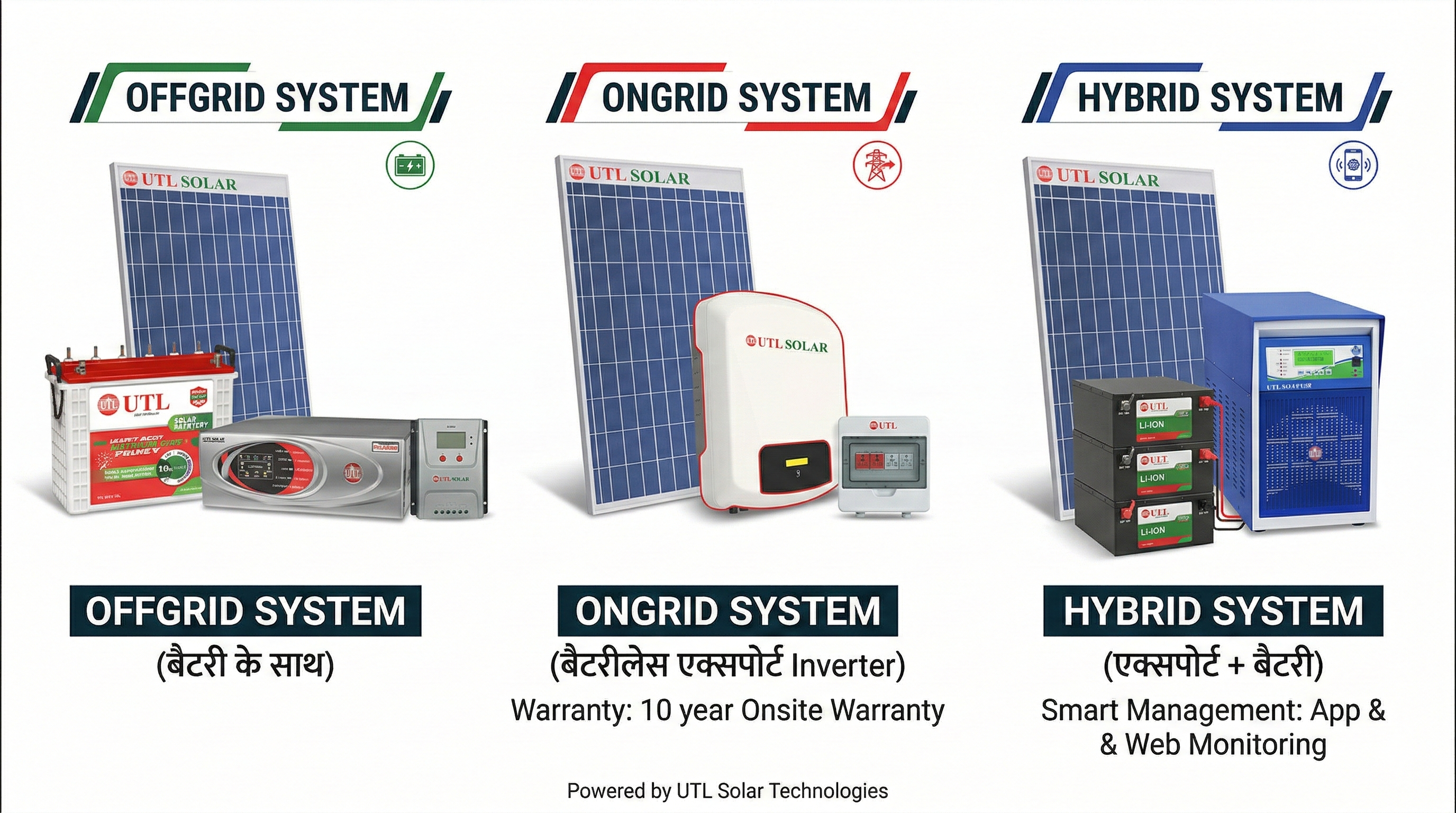
- On-grid systems: Connected to the electricity grid
- Off-grid systems: Fully independent
- Hybrid systems: Combine solar, grid, and battery storage
With battery storage, you can use solar energy even at night or during outages. So instead of being unreliable, solar actually increases your energy security.
Myth 7: Solar Panels Are Not Environmentally Friendly
Lifecycle Impact of Solar Systems
Some argue that manufacturing solar panels causes pollution. While it’s true that production has an environmental impact, the overall lifecycle of solar panels is overwhelmingly positive.
Solar panels typically offset their carbon footprint within 1–2 years of operation. After that, they produce clean energy for decades.
Compared to fossil fuels, solar is one of the cleanest energy sources available today. It reduces carbon emissions, lowers air pollution, and helps combat climate change.
Myth 8: Solar Installation is Complicated
Modern Installation Process
People often assume installing solar is a long, complicated process. In reality, it’s quite straightforward.
A typical installation involves:
- Site inspection
- System design
- Installation (1–3 days)
- Net meter setup
That’s it. Most providers handle everything, including paperwork and approvals. So you don’t need to worry about technical complexities.
Myth 9: You Need a Huge Roof for Solar
Small System Solutions
Not everyone has a massive rooftop—and that’s okay. Solar systems are scalable. You can start small and expand later.
Even a 1kW system can significantly reduce your electricity bill. Modern panels are also more efficient, meaning you need less space to generate more power.
So whether you have a big house or a compact one, solar can still work for you.
Myth 10: Solar Doesn’t Increase Property Value
Real Estate Impact of Solar Systems
Installing solar isn’t just about saving on electricity—it also adds value to your property. Homes with solar systems are often more attractive to buyers because they promise lower energy costs.
It’s like having a built-in money-saving feature. In many cases, properties with solar installations sell faster and at higher prices.
So instead of being an expense, solar becomes an asset.
Conclusion
Solar energy is no longer a futuristic concept—it’s a practical, cost-effective solution available today. Most of the myths surrounding solar come from outdated information or misunderstandings. Once you look at the facts, it becomes clear that solar is reliable, affordable, and incredibly beneficial.
If you’ve been holding back because of these myths, now’s the time to rethink. Solar isn’t just about saving money—it’s about taking control of your energy future.